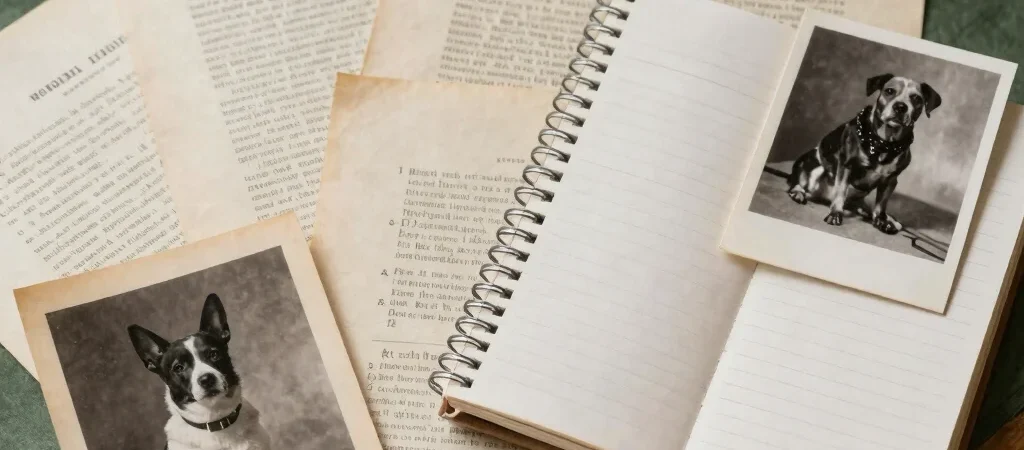
An old photograph or publication can make a past educational approach feel close at hand. But an archive is evidence of a particular moment, not a current schedule or promise. The history associated with the École du chiot and Joseph Ortega is most useful when readers can explore it without mistaking historical activity for something offered today.
Separate Then From Now
When reading a historical account, check what kind of source it is, when it was produced, and what it actually describes. A dated document may record an idea, a publication, or an activity from its own period. It does not, by itself, establish that the same activity continues.
That distinction matters for prospective puppy owners looking for practical information. Historical context can explain how a set of ideas developed, while current information should be identified separately and supported by up-to-date details. When those details are not available, it is better to leave the question open than to fill the gap with assumptions.
Read Ideas in Context
Concepts such as early learning, play, motivation, and cooperation can be considered on their own terms, then compared with the language used in older material. Avoid treating one excerpt as a complete account of a method or as proof of a guaranteed result. Context helps readers understand what a source says without asking it to say more.
Keep the Record Clear
A useful archive labels historical material clearly, preserves the source details it has, and distinguishes interpretation from documented fact. Readers can then follow the thread from past ideas to present-day questions without confusing the two. When you encounter an old reference, note its date and source before using it to guide a decision about a puppy today.